AI and the future of work
Move from scattered AI experiments to better ways of working. What adoption requires of leaders, and how to preserve the expertise your business needs as more tasks are automated.
The people
make the place.
Dean & Chair Professor of Management
HKUST Business School
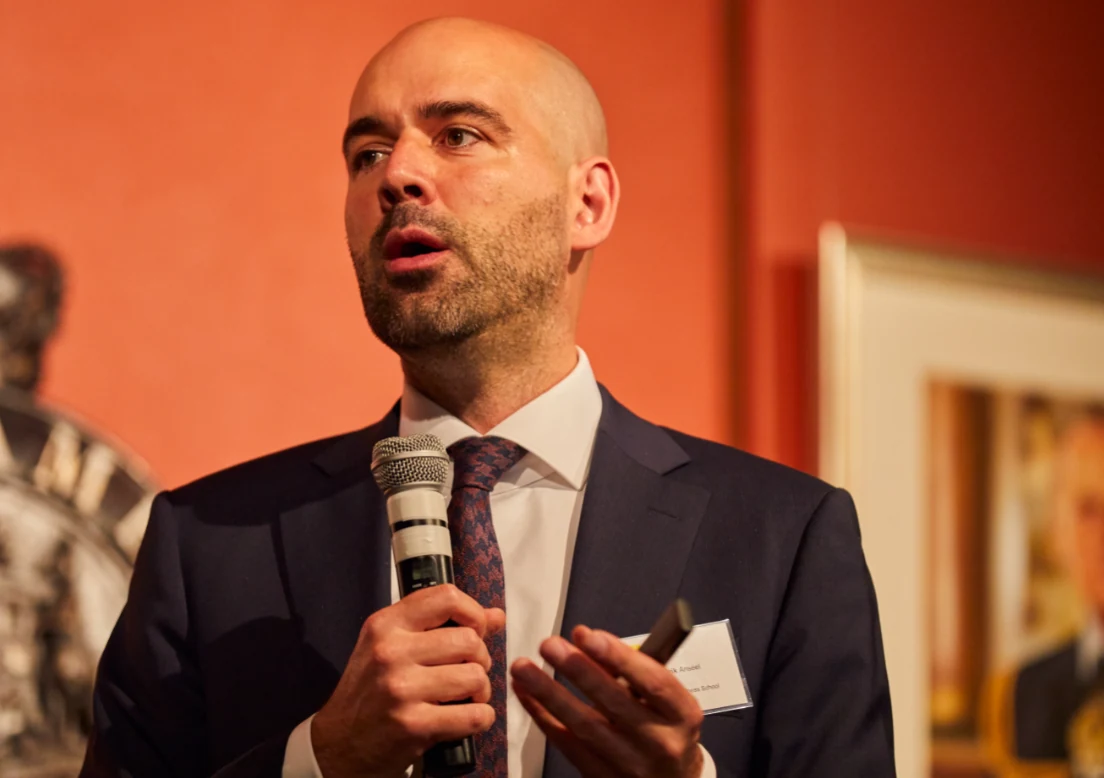
I help leaders understand how AI changes work and what their organisations need to do about it. As an organisational psychologist, I connect research on the future of work with the practical experience of leading business schools across continents.
Based in Hong Kong. Working internationally.
My work has taken me from Belgium to London, Sydney and now Hong Kong. Along the way, I’ve studied how people respond to feedback and what helps them keep learning. Leading business schools has given me plenty of opportunities to put those ideas to the test.
I moved to Hong Kong to get closer to China’s AI development. At HKUST, I’m working to bring business education into closer contact with engineering and technology. The city also gives me a daily view of how Chinese companies expand abroad and how the world does business with China.
Dean, Business School
Chair Professor of Management
Dean, Business School
Vice Dean
Head of Department
Keynote speaking & executive engagement
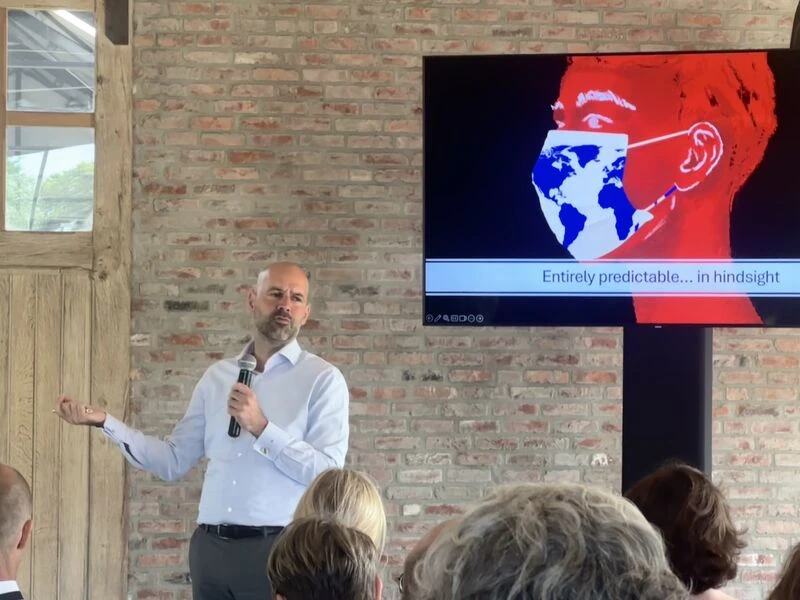
When technology moves faster than an organisation can adapt, leaders need a clearer view of what to do next. My keynotes bring behavioural science to that challenge, with practical implications for how people work and lead.
Selected speaking topics
Move from scattered AI experiments to better ways of working. What adoption requires of leaders, and how to preserve the expertise your business needs as more tasks are automated.
Give leaders a way to act when forecasts keep changing. How to test assumptions and update decisions as new information emerges, while keeping people focused on what matters.
Help teams raise concerns and challenge assumptions while maintaining high expectations. What leaders can change when silence is preventing learning.
Make performance conversations more useful. Why feedback often fails to produce learning, and how to create conditions in which people can act on it.
For your audience
What should your audience be better able to do after the event? We agree the focus around that question, whether you are bringing leaders together for a conference or opening a company-wide conversation about change.
Discuss your eventFor your leadership team
For a team facing a specific decision about AI, culture or organisational change. We work through the evidence and assumptions behind your options, with practical next steps to take back into the business.
Discuss your challengeBoards & strategic advisory
Can this organisation deliver its strategy? I bring a behavioural science perspective to the leadership and workforce capabilities that performance depends on, and the cultural risks that conventional reporting can miss.
Will people raise concerns before they become costly? Examining the gap between stated values and everyday behaviour, and what reaches the board.
Does the leadership pipeline match the company’s future? Challenging assumptions about potential, team effectiveness and how leaders develop.
Will investment in AI change how work gets done? Examining readiness to redesign roles and develop skills, and the implications for the organisation’s human capital.
Where might execution stall? Assessing whether structures and management practices help people work across boundaries as the organisation grows or changes.
I welcome conversations with chairs, nomination committees and executive teams about board appointments and strategic advisory work where this perspective can contribute.
Discuss an opportunityIn public
I write about AI and work for an international audience, alongside my regular Dutch column in De Tijd. These are some of the questions I’ve been exploring.
China Daily · Interview
4 September 2026 · English
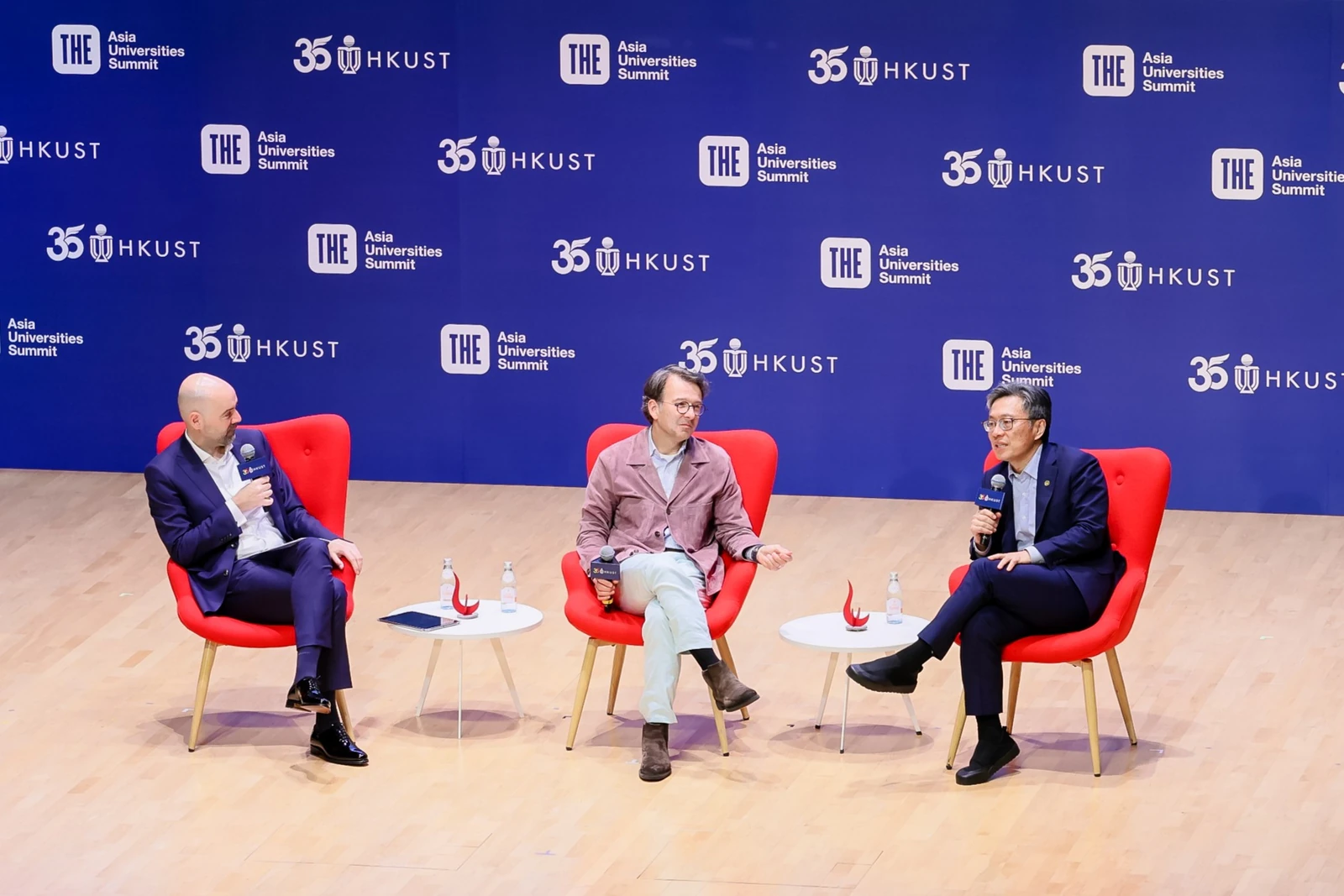
I spoke with China Daily about the move to Hong Kong and my plans for HKUST. Business students need to understand the technology reshaping their industries. Bringing them together with engineers opens up opportunities to turn new ideas into businesses.
Read the interviewWhy China belongs in the global debate about AI and the economy.
How deep knowledge and experience help people make use of AI.
The skills we risk losing when we hand more of our thinking to AI.
How leaders can give teams the freedom to experiment and learn together.
Why do we find AI writing so irritating?
The thin line between selling yourself and inventing yourself.
What do you know about AI in China?
A conversation with Peter Hinssen about AI and leading through constant change.
ListenResearch
That question has run through my research for more than twenty years. I study how people seek feedback and respond to it, and how they sustain the effort to develop at work.
Organization Science
Journal of Applied Psychology
Journal of Management
American Psychologist
Psychological Science
Academy of the Social Sciences in Australia
Society for Industrial and Organizational Psychology
International Association of Applied Psychology
European Association of Work and Organizational Psychology
Selected peer-reviewed work
Why familiar advice about feedback can miss the complexity of how managers and employees experience it.
Annual Review of Organizational Psychology and Organizational Behavior
How company-wide HR practices interact with individual work arrangements, and why that matters for business performance.
Journal of Management Studies
Get in touch
For speaking invitations or board and advisory enquiries, send me a few lines about what you have in mind. For an event, please include the date and location.
fanseel@ust.hkYou can also enquire about keynotes through nexxworks.